Please click “Sign Up” today to create a new account so you can access your profile, manage prescriptions, and enjoy a seamless pharmacy experience.

Get Healthy!
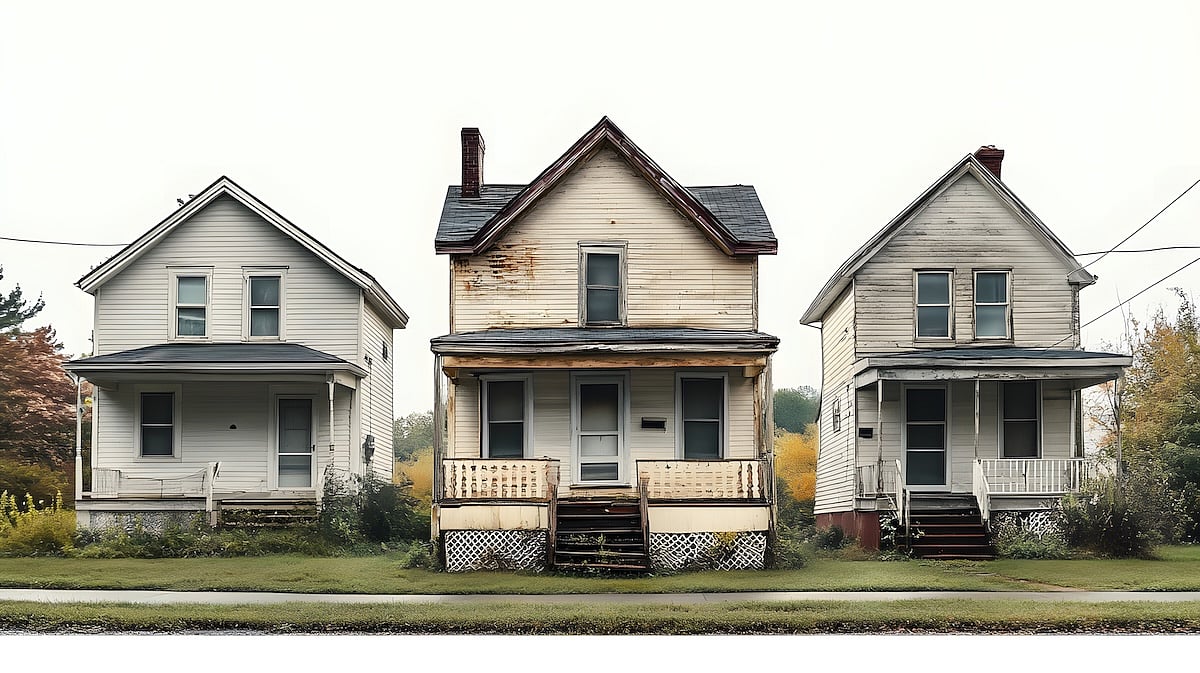
- Posted April 10, 2026
Your Neighborhood Might Help Make You Old Before Your Time
Your neighborhood might be causing you to grow old before your time, a new study says.
Factors like green spaces, clean air, good schools, well-paying jobs and affordable housing contribute to slower biological aging, researchers report in the June issue of the journal Social Science & Medicine.
People tend to experience accelerated aging if they live in underprivileged neighborhoods without these benefits, researchers found.
“Stressors related to income, jobs and housing are not occasional, but persistent conditions that shape daily life,” said senior researcher Adolfo Cuevas, an associate professor of social and behavioral sciences at NYU School of Global Public Health.
“Our findings suggest that chronic stress caused by economic deprivation and limited mobility may be the primary driver of cellular aging,” he said in a news release.
Biological aging reflects the wear and tear that occurs in a person’s life. People can have an older or younger biological age than their actual calendar age, research has shown.
Accelerated biological aging can increase people’s risk of chronic diseases like heart problems, cancer, kidney disease and dementia.
For this new study, researchers analyzed data from more than 1,200 American adults participating in a research project on aging. As part of the project, participants provided blood samples.
Researchers analyzed those samples for markers of cellular aging, and then compared those markers to the quality of the participants’ neighborhoods. Neighborhoods were assessed on 44 location-specific measures of education, health, environment, social opportunity and economic resources.
Results showed that people living in poorer neighborhoods had significantly elevated measures of biological aging compared to those from privileged neighborhoods.
Biological aging was most strongly associated with social and economic factors, researchers said.
This could mean that accelerated aging might be driven by a neighborhood’s lower social and economic opportunities, rather than by a lack of education, poor health or other environmental factors, the team said.
“Our health is shaped not only by individual behaviors, but also by the environments we live in,” lead researcher Mariana Rodrigues, a doctoral student at NYU School of Global Public Health, said in a news release. “This study suggests that structural conditions may become biologically embedded and influence aging processes over time.”
She said future studies should home in on community factors that could buffer against health risks. However, many of these factors are “not things we can fix as individuals, but rather, what we should be addressing as a society,” Rodrigues said.
“Improving neighborhood conditions, particularly social and economic resources, may be important for promoting healthy aging and reducing health disparities, but if we really want to address health disparities and improve health for everyone, it's important to consider what needs to be changed at the structural level,” she said.
More information
Yale School of Medicine has more on biological versus chronological age.
SOURCE: New York University, news release, April 8, 2026


